
Shady Grove Fertility Colorado
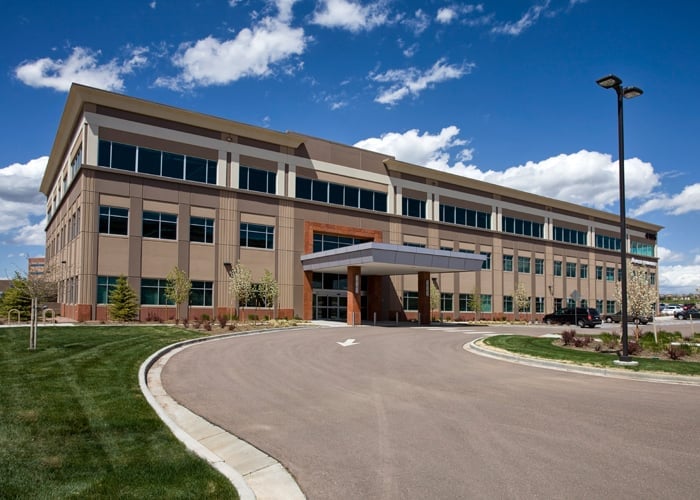
With fertility centers in Denver and Colorado Springs, our top reproductive endocrinologists are committed to you on your family-building journey. Specializing in IVF, IUI, egg freezing, and more, explore what SGF Colorado has to offer below.
We are the #1 physician practice for reproductive care across the US
As the largest fertility clinic in the United States, Shady Grove Fertility is a leading fertility and IVF center of excellence. SGF’s expansion out West offers increased access to highly specialized clinical care and brings SGF’s state-of-the-art laboratory and surgical services closer to home in Denver and Colorado Springs.
SGF Locations by State
Colorado
 4105 Briargate Parkway
Suite 255
Colorado Springs, CO 80920
4105 Briargate Parkway, Suite 255Colorado Springs, 80920
 719-314-3333
  719-314-3344
 -
 Full Service
 -
New Patient Consultations
-
Egg Donation Center
8200 E. Belleview AvenueSuite 615-E
Greenwood Village, CO 80111
8200 E. Belleview Avenue, Suite 615-EGreenwood Village, 80111
720-704-8221 720-704-8417 -
Full Service
-
Embryology Laboratory
-
IVF Center
-
Egg Donation Center
-
New Patient Consultations
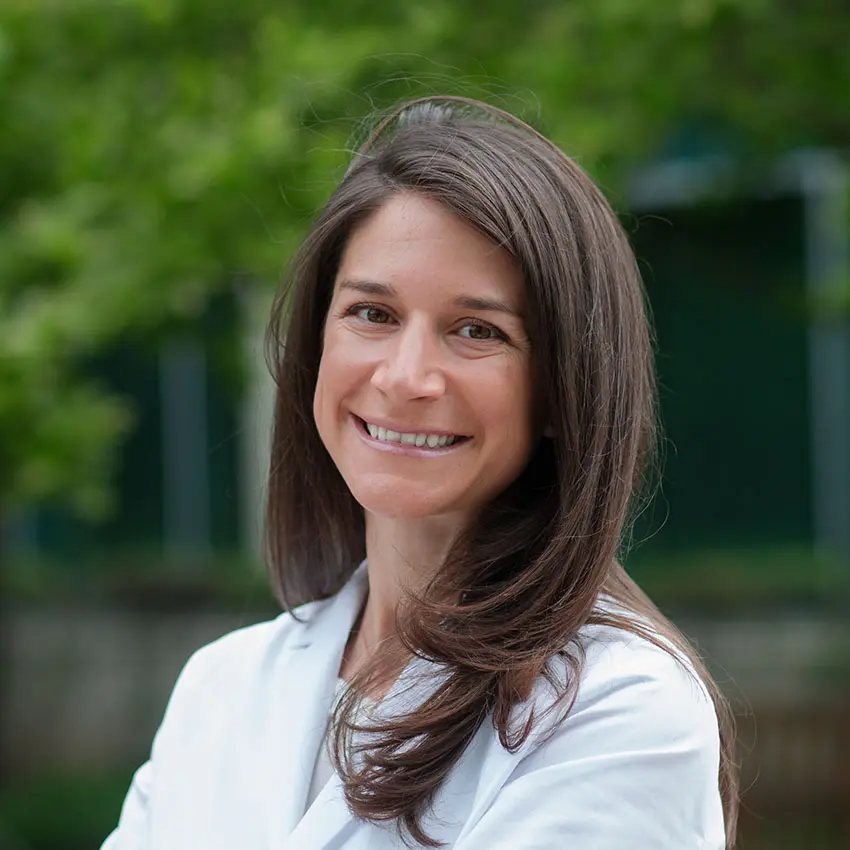
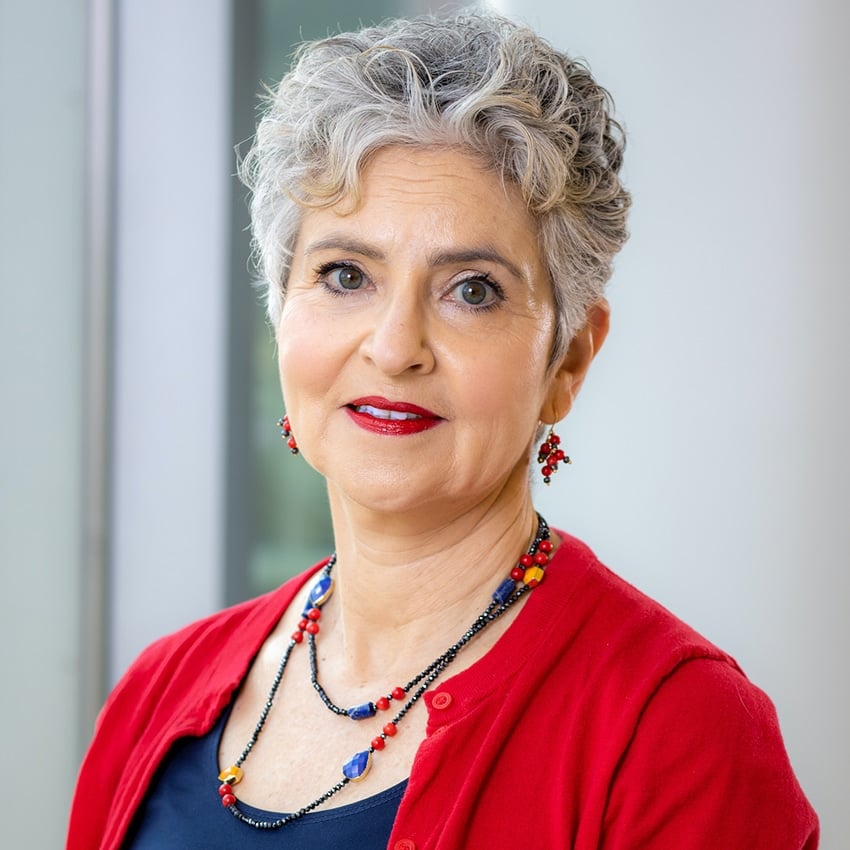
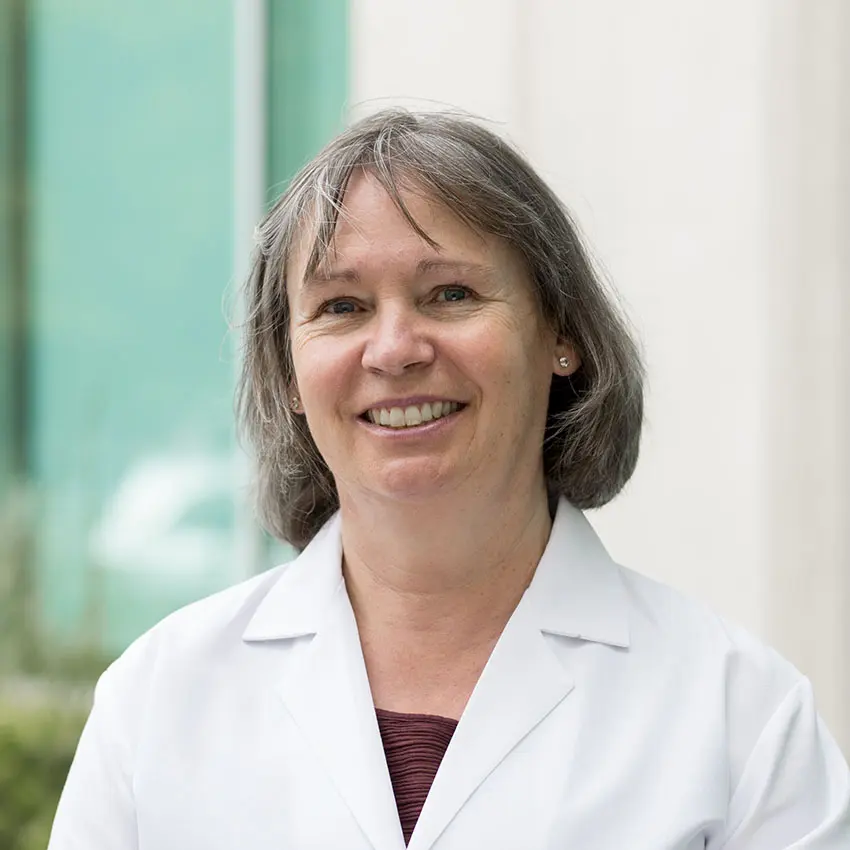
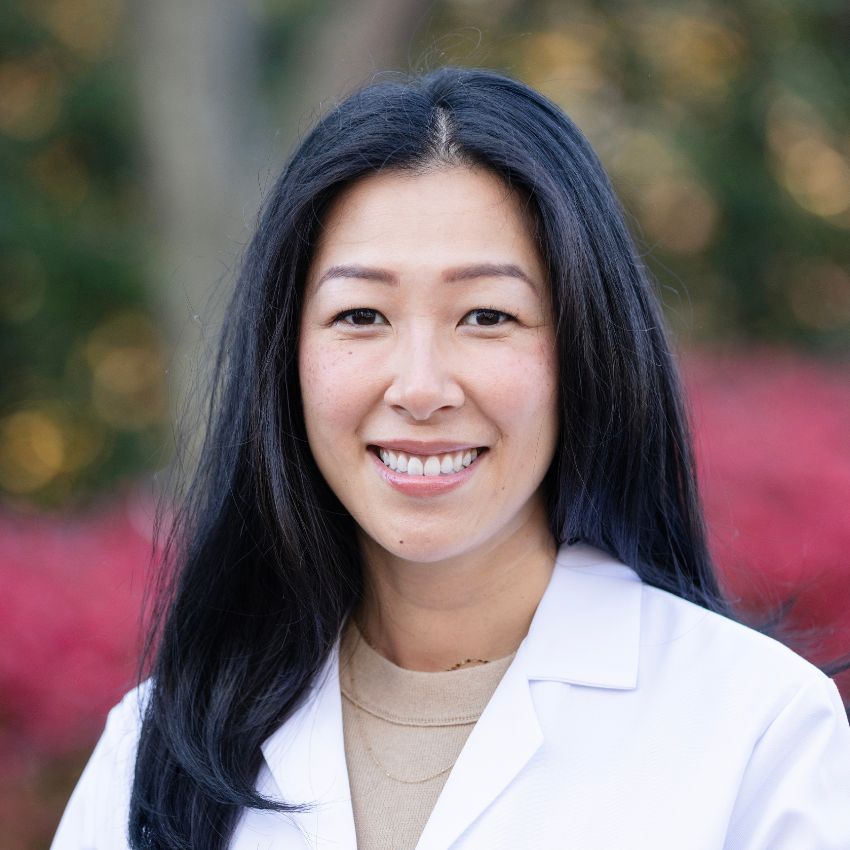
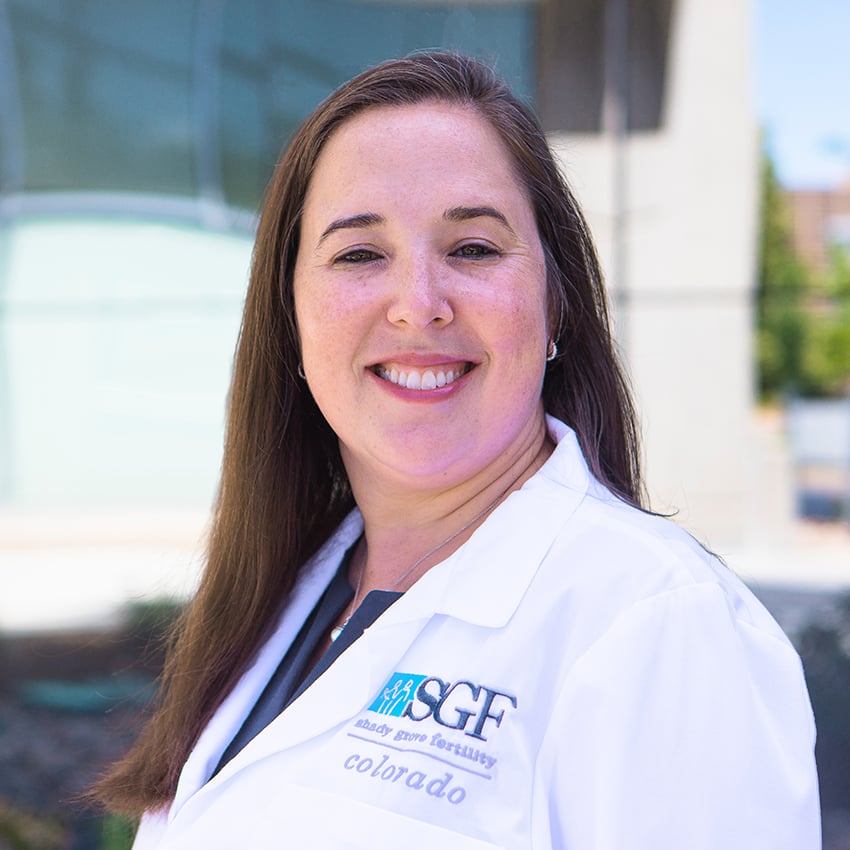
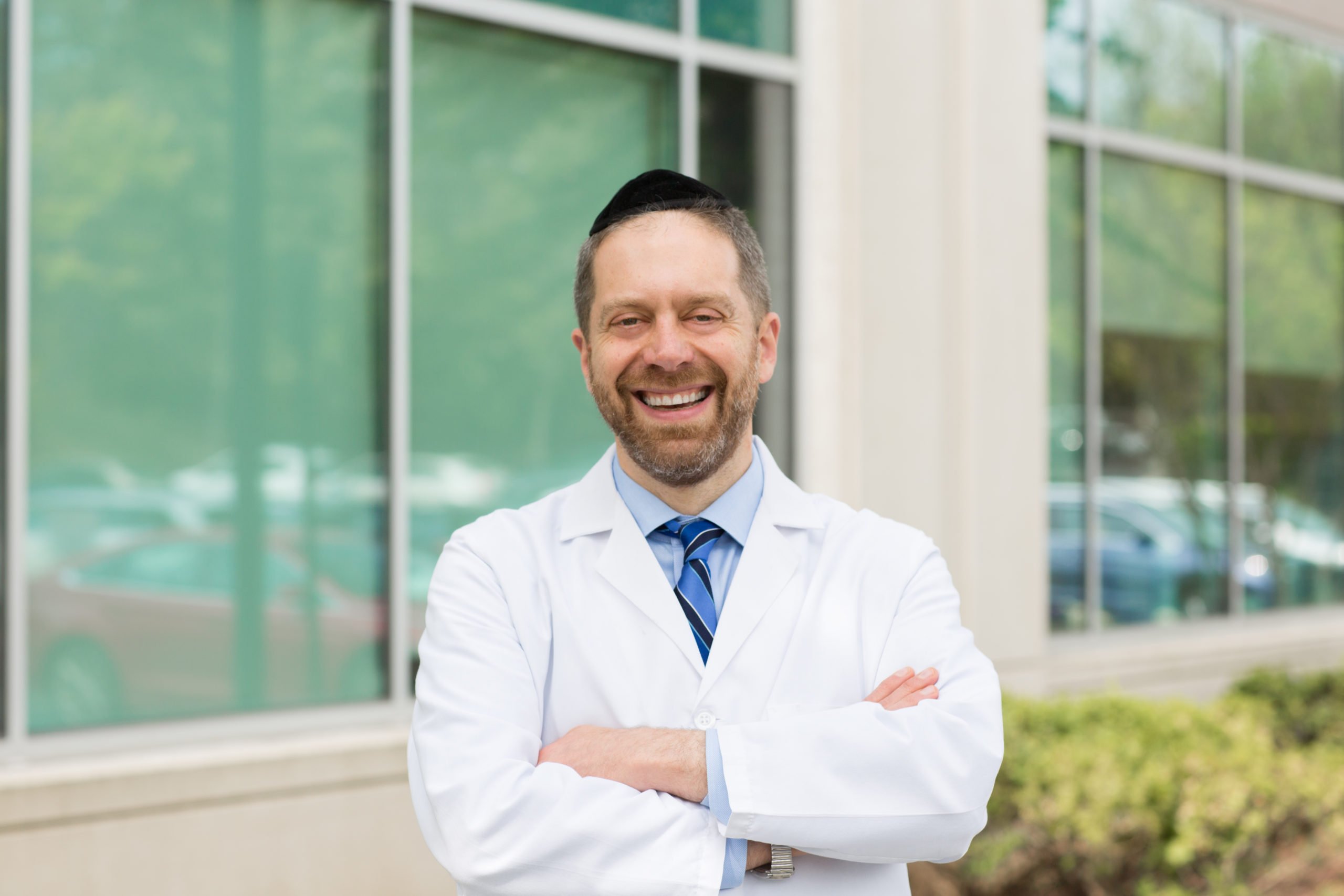
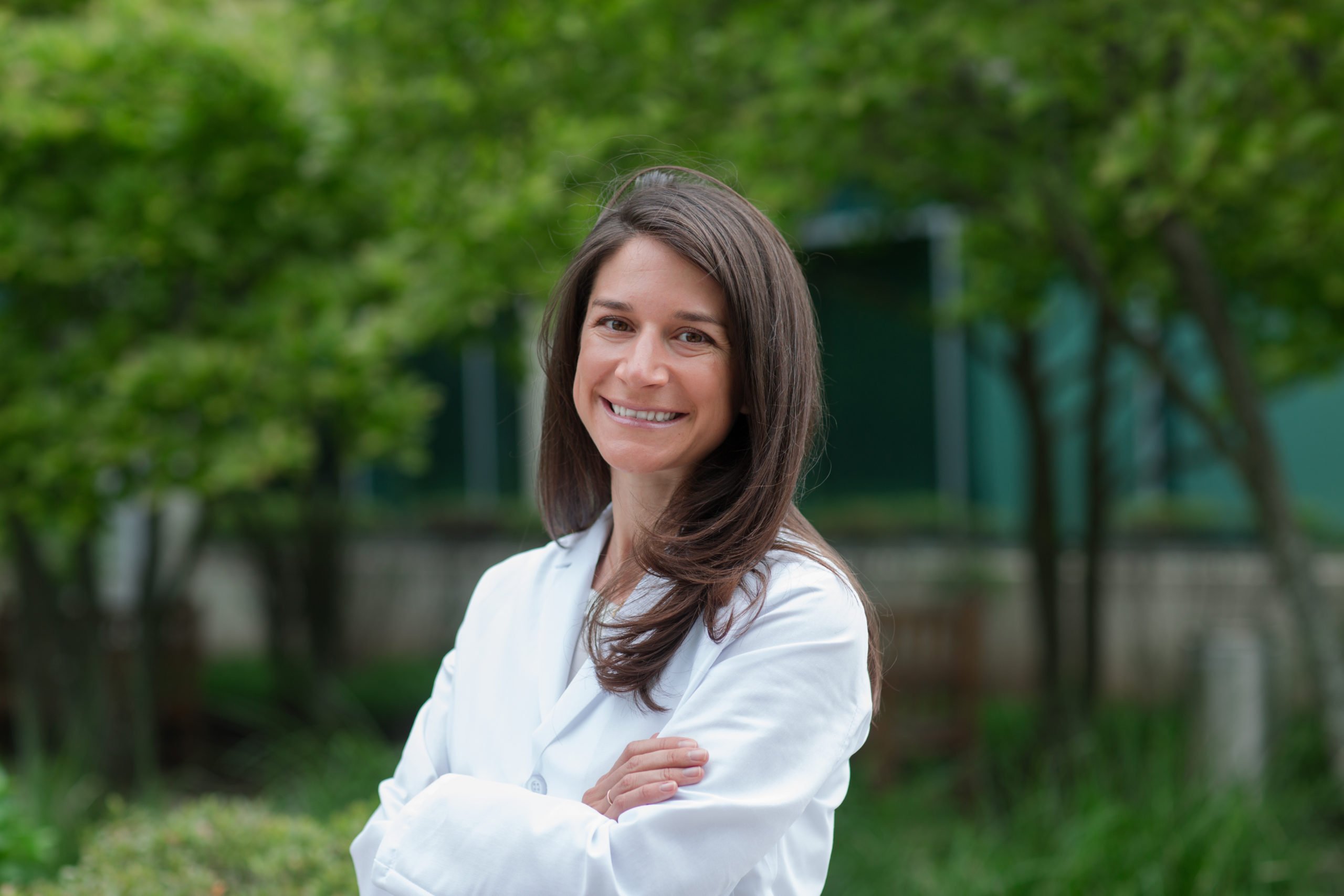
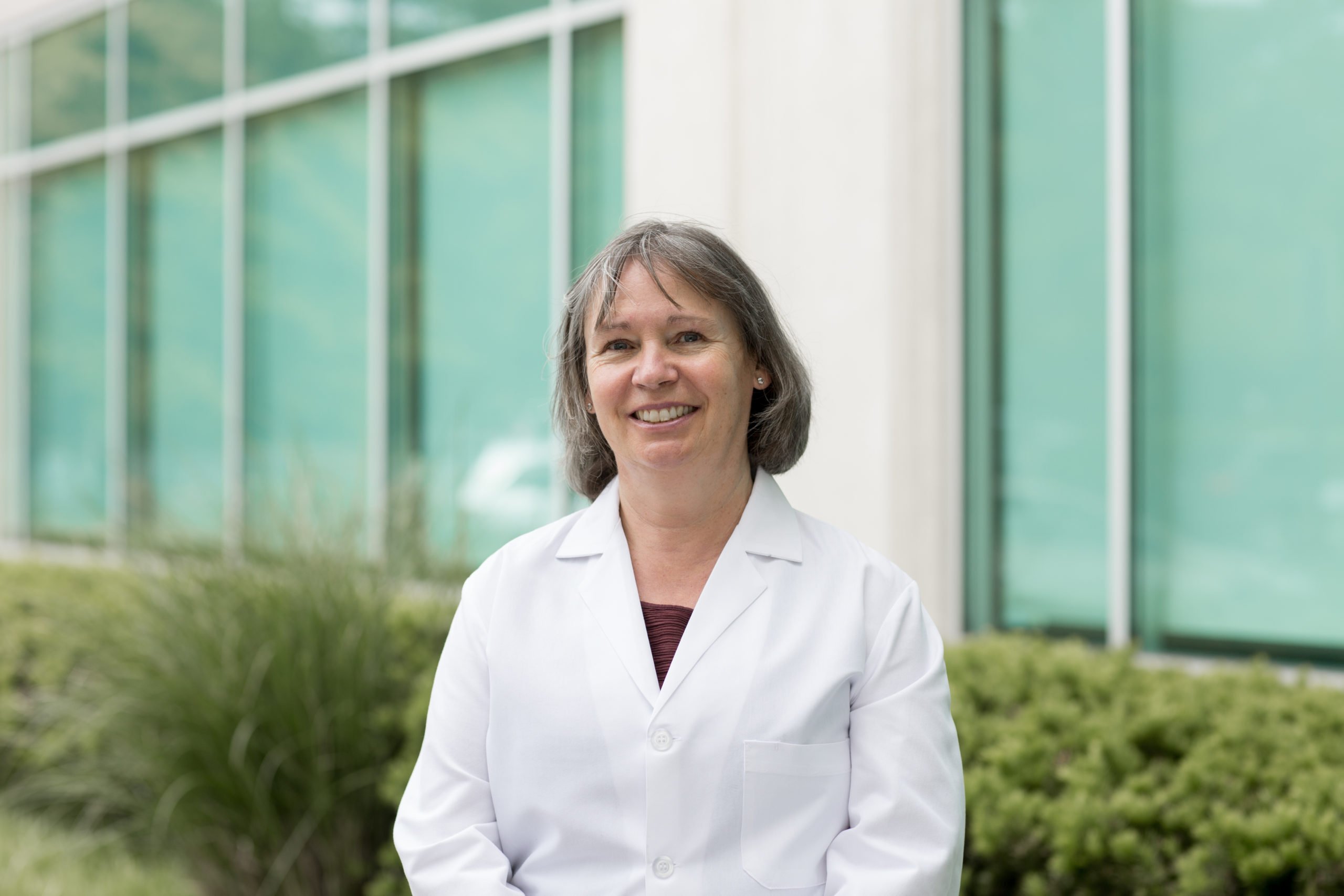
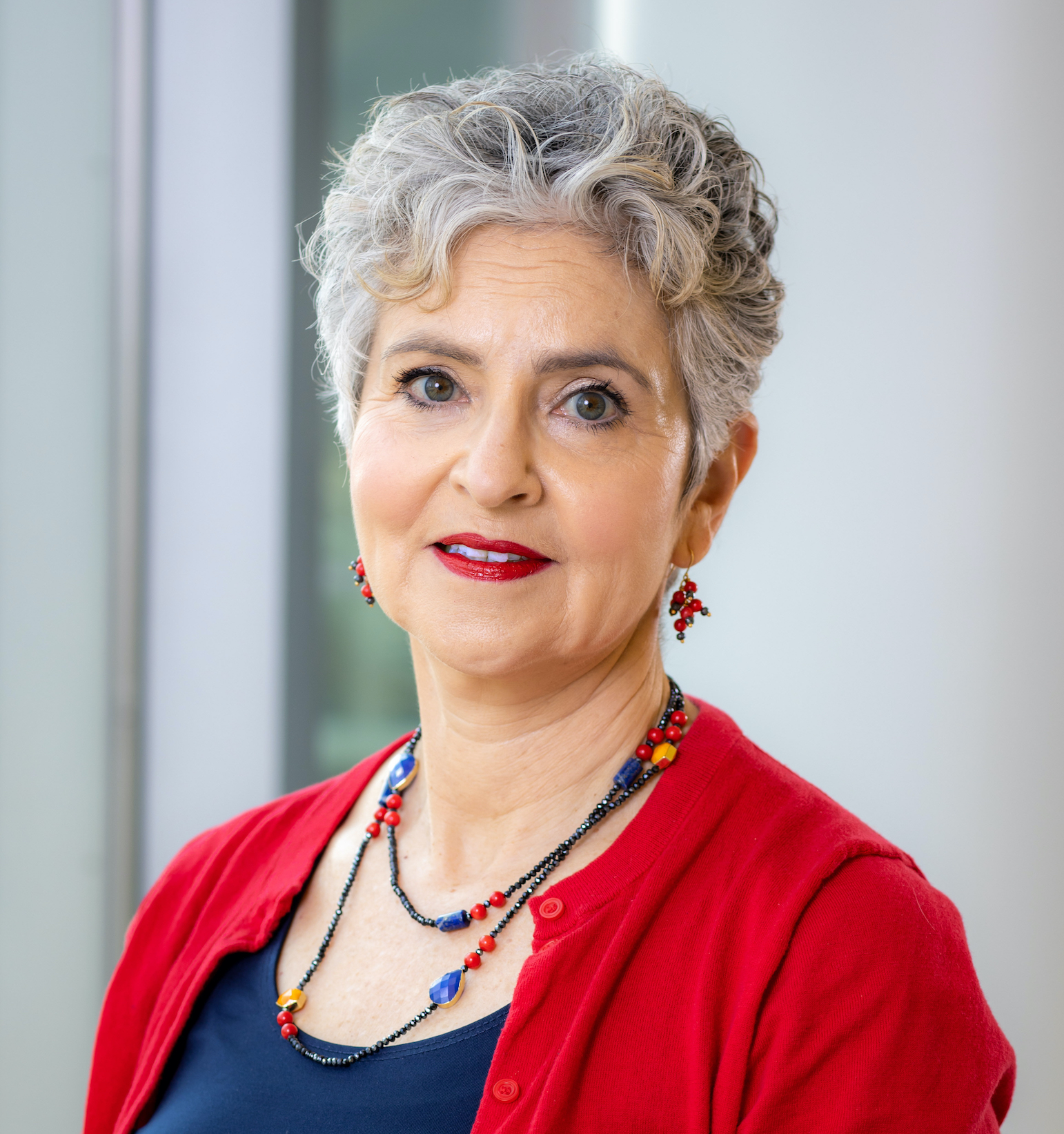
Meet our Colorado fertility specialists
Our physicians are highly trained in reproductive endocrinology and are honored to help couples struggling with infertility achieve their dream of building a family.
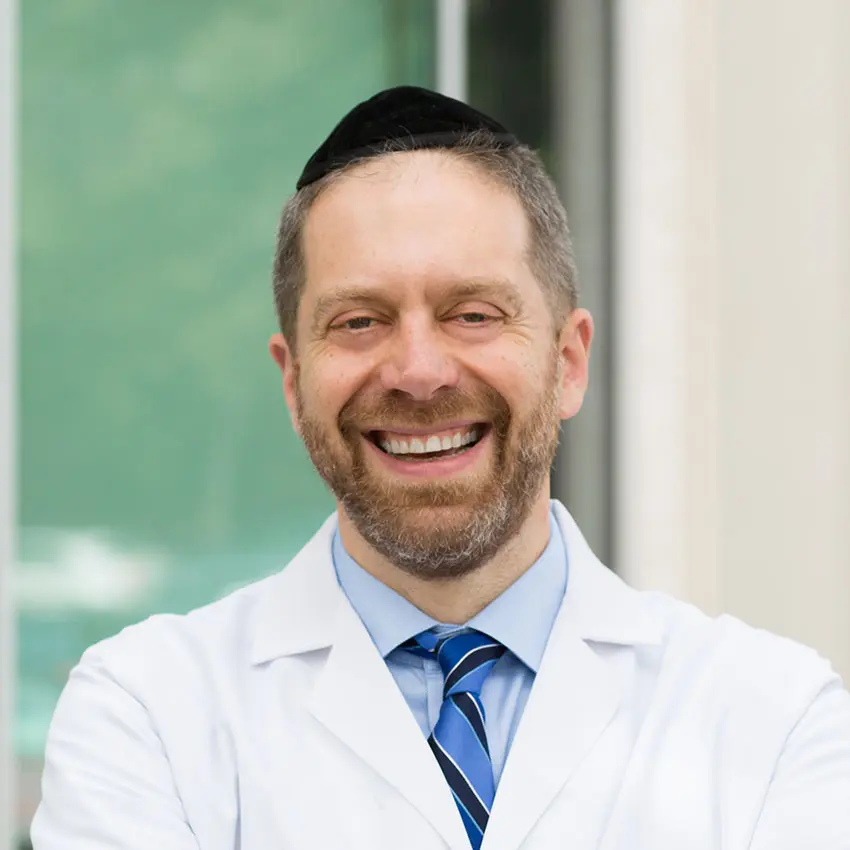
Alex Polotsky, M.D.
Medical Director, Colorado


FAQs
Colorado Testimonials
Seminar
Norfolk, VA | In-Person Seminar
May 7, 2024
5:30 p.m. ET
Support Group
Virtual Queer Family Building Group (MD, DC, VA, …
May 8, 2024
Online |8:00 p.m.
